

The Rise of Imported Goods in Ghana: A Reflection of Evolving Consumer Preferences
Ghana has experienced growth in various sectors such as agriculture, oil, and services. However, the economy has also been affected by excessive imports due to changing tastes and preferences of consumers. For instance, based on year-on-year growth in 2021, some of the most popular consumer products imported into Ghana included beer, chocolate, and cocoa products, pork and pork products, beef and beef products, wine, fruit juices, and related products. The service sector received its fair share. Ghana imported $12 billion in all types of services in 2020, which were led by imports of business services, including computer and related services, architectural/engineering, legal, accountancy, and advertising services. One of the major consequences of excessive imports is the outflow of funds (capital) from the country, as import transactions involve payments to sellers residing in other countries. This situation continues to affect Ghana’s economy since the value of merchandise imports to Ghana was equal to $10.4 billion in 2019, which was a decrease compared to 2018. Excessive imports also cause inflation, which is the rising price of goods and services over time. Ghana’s economy has also been affected by inflation recently, and this situation is worsened by excessive imports.
From Global Flavours to Local Markets: Ghana’s Import-Driven Consumer Landscape
For instance, bread requires wheat flour, an exotic grain that does not grow well in our region. The vast majority of people eat some form of bread or wheat product at least once every week. Flour made from cassava and orange-fleshed potato was recently developed by the CSIR-Food Research Institute. Most people who tasted bread made with this flour said it didn’t taste the same as wheat bread (made using imported wheat flour). Bread made from cassava or orange-fleshed potatoes was shown to be more nutrient-dense and healthier for consumers than wheat-baked bread in a recent nutritional profiling study. Bakeries that began using cassava or orange-fleshed flour saw a significant drop in sales and had to reverse their decision. Yes, our palate has been conditioned to foreign products but we cannot continue on this trajectory as it is simply not sustainable. This is why we welcome the recently-introduced excise duty (Amendment) Act, 2023 (Act 1093); which is partly aimed at dealing with importation and consumption of substandard goods. For instance, the sugar content in some of these imported beverages are beyond the limit for consumers. Some of these imported drinks, for instance, contain sugar levels that far exceed recommended intake levels.
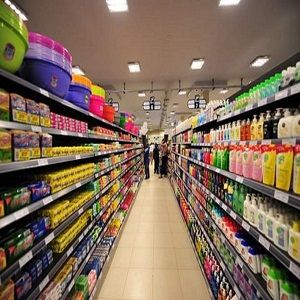
Recently, I hosted a Kenyan friend in Ghana for a joint project we were working on. We wouldn’t give up our African cuisine for anything, especially while we’re here in Africa. Before leaving, he informed me he wanted to try each of Ghana’s signature dishes. To make him feel more at home in Ghana, I tried to make authentic Ghanaian food for him to eat while he was here. I made sure we always got a Ghanaian meal and a drink made in Ghana at the restaurants we went to. The irony, though, was that he was utterly disillusioned by our trip to the shopping mall. ‘You mean you guys cannot have your locally-produced stuff in Ghanaian Malls’, he asked me. Everything I like to shop for in Los Angeles is right here, he gushed.

Furthermore, excessive imports harm local industries by reducing the demand for locally produced goods and services. This situation leads to unemployment and decreased economic growth. For instance, the agricultural sector in Ghana has experienced a decline in production, as consumers prefer to purchase imported products such as chocolates and cocoa products. Excessive imports are harmful to Ghana’s economy, as it leads to the outflow of funds from the country and harms local industries. Changing consumer tastes and preferences are one of the reasons for excessive imports, which leads to inflation and reduced economic growth. Ghana’s government can reduce excessive imports by implementing policies that encourage local production and promoting locally produced goods and services. Consumers can also help reduce excessive imports by purchasing locally produced goods and services.
By Kojo Ahiakpa, Team Lead at Research Desk Consulting Limited.