
What is e-soil?
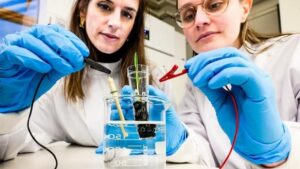
Electronic soil (e-soil) is a soilless substrate for hydroponic production developed by scientists. This cutting-edge growth medium, composed mainly of cellulose, has been designed to possess electrical conductivity through the integration of a conductive polymer known as PEDOT 2. As per research published in the journal PNAS by researchers from Linkoping University, barley seedlings cultivated in this conductive “soil” showed impressive growth, with a 50% height increase noted in just 15 days when their roots received electrical stimulation. The introduction of novel approaches and emerging innovative agricultural techniques is required since climate change poses a substantial danger to the food security of the entire world. Electronic soil (e-soil) is one example of a developing technology that has the potential to significantly improve climate-smart agriculture systems. e-soil systems help farmers optimise resource management, reduce their influence on the environment, and increase crop output. These benefits are achieved through the integration of modern sensors, data analytics, and different approaches for precision agriculture. Within the scope of this blog, the applicability of e-soil is explored, and the transformative role that it plays in fostering agricultural systems that are both sustainable and resilient is highlighted.
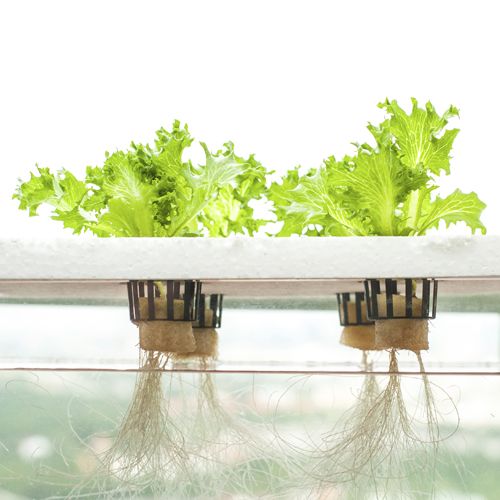
Utilising hydroponic agriculture, e-soil removes the necessity for conventional soil by supplying plants solely with water, nutrients, and a proper substrate for root stability. This closed system enables efficient water recirculation, guaranteeing accurate nutrient delivery to each seedling. When comparing hydroponics to traditional farming, hydroponics uses significantly less water and keeps all vital nutrients in the system. It’s impossible to achieve such high nutrient retention with conventional farming methods. Using electronic soil in hydroponic systems provides numerous benefits. Firstly, the substrate’s conductive nature allows for the easy application of electrical stimulation to the plant roots, resulting in faster growth rates. This stimulation promotes improved nutrient absorption and enhances overall plant growth. Additionally, the substrate’s cellulose-based composition is an eco-friendly option due to cellulose being the most abundant biopolymer on earth. Through the use of e-soil, experts are working towards developing a sustainable and effective method for farming that helps boost food production while reducing resource usage. Exploring more research and development in this field shows potential for enhancing plant growth, increasing crop yields, and lessening the environmental impact of farming methods. As experts delve into the possibilities of e-soil, it has the potential to transform our approach to food production, providing a sustainable solution for farming amidst growing global climate challenges. e-soil is a network of sensors that are installed in agricultural fields to monitor and collect real-time data on a variety of soil properties. The moisture content, temperature, nutrition levels, pH, salinity, and organic matter content are some of the crucial elements that these sensors are meant to assess. After the data has been collected, it is sent to a centralised system, where it is processed and analysed in order to provide meaningful insights regarding the state of the soil and the requirements of the crop.

Why e-soil for climate-smart agriculture?
1. Accurate management of resources: e-soil systems give farmers the ability to make educated judgments about the distribution of resources, cutting down on waste, and making the most of inputs. It is possible for farmers to properly predict the amount of irrigation that is required by monitoring the levels of soil moisture, for example, and so avoid both water shortages and excessive water consumption. This level of accuracy in resource management contributes to the conservation of water, the reduction of energy consumption, and the mitigation of the environmental impact of agriculture.
2. The maintenance of adequate nutrient levels in the soil is essential for the growth and yield of crops: Enhanced nutrient management is the second step in this process. Farmers are able to accurately modify fertiliser applications based on the requirements of their crops because of the availability of real-time data on nutrient concentrations provided by electronic soil sensors. In addition to minimising nutrient runoff and preventing soil deterioration, this tailored strategy also reduces the release of greenhouse gases that are connected with the excessive use of fertiliser.
3. Enhancement of crop health monitoring: The early diagnosis of plant diseases and pests is vital for the efficient management of diseases and the control of pests. The creation of an all-encompassing monitoring network can be accomplished through the integration of e-soil systems with other technologies, such as drones and remote sensing cameras. Farmers have the ability to rapidly identify potential disease outbreaks or insect infestations by assessing data on soil moisture, temperature, and other characteristics, in addition to aerial images. This makes early intervention easier, reduces the need for chemical fertilisation that cover a broad spectrum, and it minimises the impact that pesticide use has on the environment.
4. e-soil data offers farmers significant insights into the characteristics of the soil, which enables them to make informed decisions regarding crop selection. This allows for optimal crop selection and planning. The amount of nutrients, moisture, and other environmental conditions that are necessary for the production of a particular crop might vary greatly. With the use of soil data analysis, farmers are able to select crops that are more suited to the particular circumstances of their fields, increasing their output while simultaneously reducing the amount of resources that are wasted. Using this method encourages the diversity of crops, as well as their resilience and adaptability to shifting climatic conditions.
Concluding remarks
The abundance of data that is produced by e-soil systems gives farmers the ability to make decisions based on the data that they have collected. Through the utilisation of sophisticated analytics and machine learning algorithms, farmers are able to acquire actionable knowledge regarding the patterns of soil health, crop performance, and predictive yields. This strategy, which is powered by data, makes proactive management easier, which in turn enables farmers to maximise the allocation of resources, carry out interventions at the appropriate moment, and increase the overall efficiency of their farms.
e-soil has a tremendous amount of potential for climate-smart agriculture; however, there are a few issues that need to be overcome before it can be fully utilised. Among these are the provision of sufficient training and assistance to farmers, the protection of data privacy and security, and the initial cost of putting the technology into operation. To further facilitate the smooth sharing and integration of data, it would be essential to ensure interoperability and data standardisation across the many e-soil systems.
When we look into the future, we can see that the future of e-soil lies in the ongoing development of sensor technology, improved data analytics, and the integration of e-soil with other agricultural technologies. Enhancing the scalability and affordability of e-soils can be accomplished through the creation of sensors that are both low-cost and resilient, as well as through the increasing accessibility of data analytics tools and the application of artificial intelligence.
The concept of e-soil is a game-changing approach to agriculture that is both environmentally responsible and climate-conscious. Farmers are able to optimise resource management, increase crop output, and reduce the environmental impact of agricultural production practices through the utilisation of e-soil systems. These systems harness the power of real-time data and apply precision agricultural techniques. It is possible that the use of e-soil technology would contribute to the development of resilient and sustainable agricultural systems that are able to adapt to the challenges posed by climate change, which will eventually ensure that future generations will have access to food.